
The continuities listed on this page only have a single entry to their name. It may seem an unusual choice for this site to list these entries as separate continuities, but there are enough differences in characters, settings, etc. between them and other continuities that they are technically set in their own world.
| COVER IMAGE | ENTRY | RELEASE DATE | KINTOBOR COMPUTER REVIEW RANK |
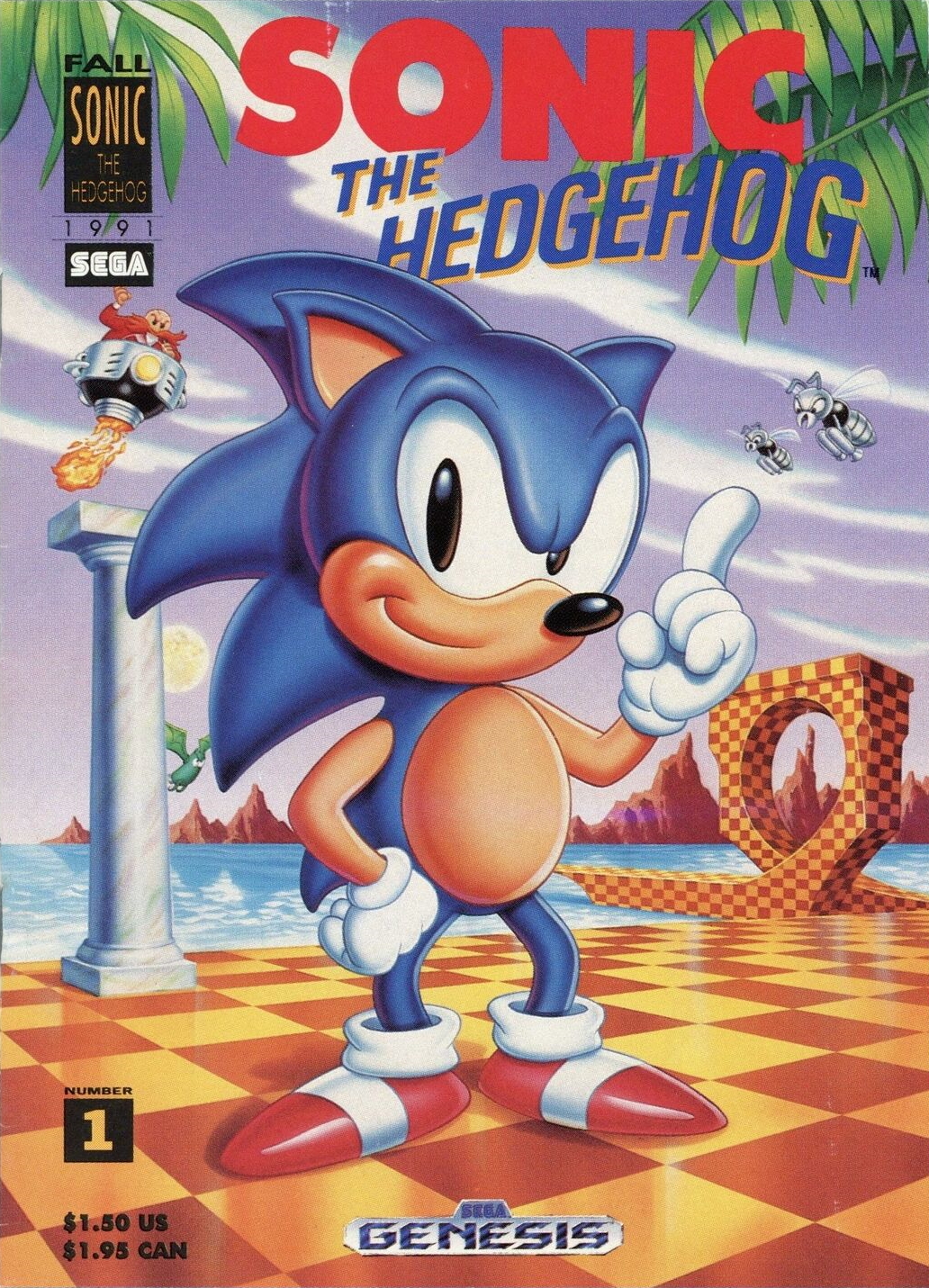 | Sonic the Hedgehog (1991 comic) | 1991 |  |
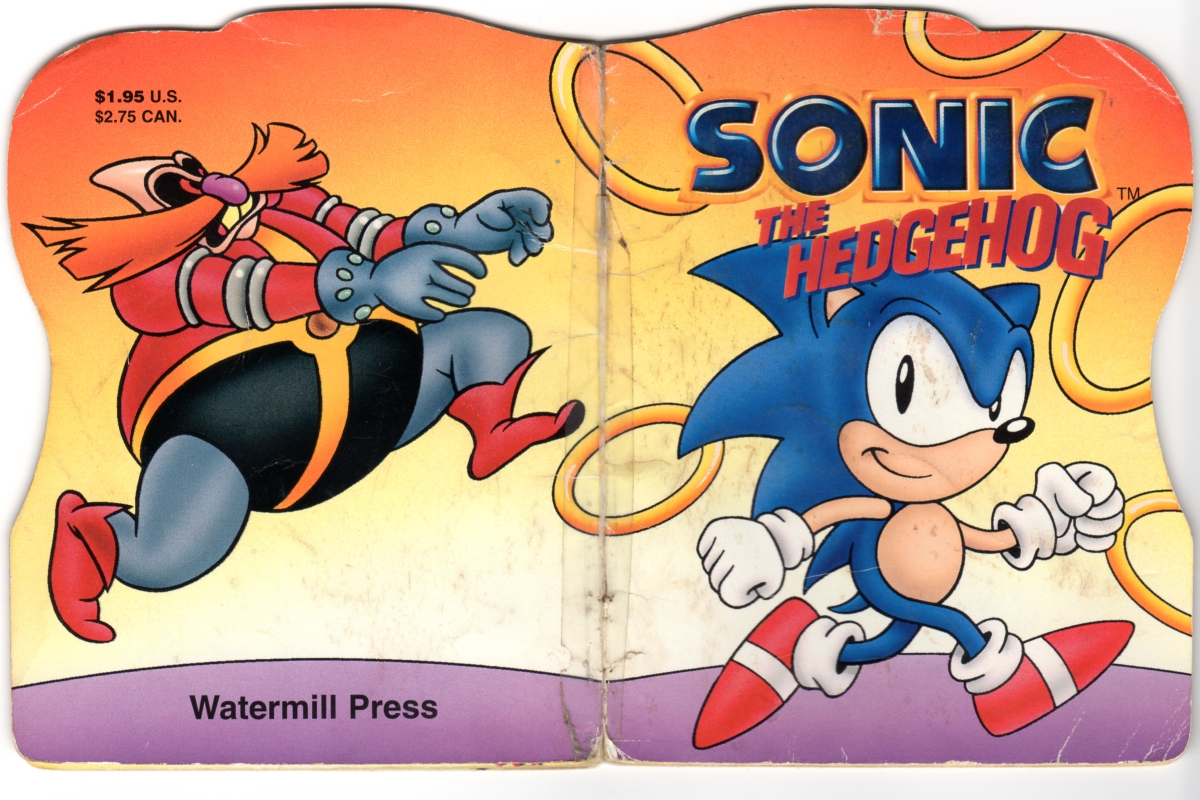 | Sonic the Hedgehog (Watermill Press) | 1995 | |
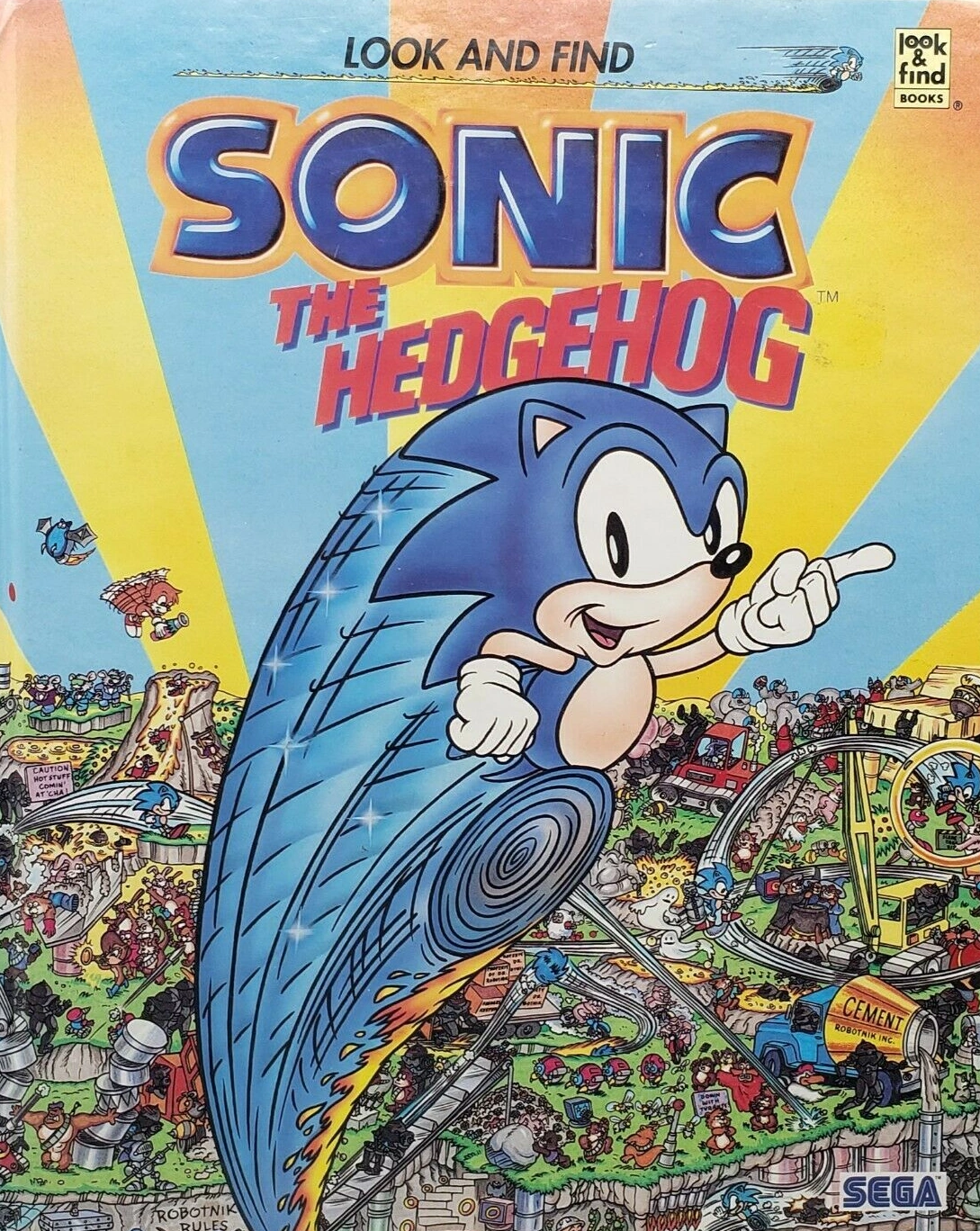 | Look & Find Sonic the Hedgehog | 1995 | |
 | Sonic the Hedgehog (Play-a-Sound) | 1995 | |
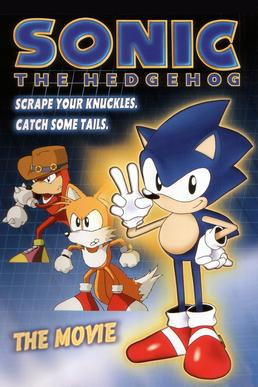 | Sonic the Hedgehog the Movie | 26/1/96 |
Sonic the Hedgehog (1991 comic)
This comic represented the first official North American Sonic production. It was released in North America in 1991 to tie in with the first Sonic the Hedgehog video game and would later make its way overseas. Notably, this comic introduces the Kintobor backstory- which North American continuities would abandon just about immediately! However, this backstory would go on to inform the European Sonic continuities.
Sonic the Hedgehog (Watermill Press)
This picture book was aimed at young readers. It told a version of Sonic’s back story not dissimilar to a version seen in the Archie Comics continuity. Unlike in that version, however, there was nothing to suggest this version of events was tongue-in-cheek. Instead, it reads as a version of events which is perhaps more appealing to Sonic’s youngest fans.
Look & Find Sonic the Hedgehog
Much like Ladybird’s Where’s Sonic? books, this book was something of a Sonic-themed Where’s Wally? which tasked players with finding Sonic and his friends. Archie Comics artist Art Mawhinney provided art for the book, resulting in a series of pieces absolutely overloaded with character and fun. Like other books published by Look & Find, there are additional items to be found at varying levels of challenge, giving the book replay value.
Sonic the Hedgehog (Play-a-Sound)
This book, as with other Play-a-Sound books, had a plastic strip of buttons attached to the side. Each button bore an icon and readers were encouraged to press the appropriate button at points in the story marked by the same icon. In this way, the story ended up almost being more “alive.” The story, like all books in this range, was aimed at very young readers and sees Sonic enter a race across the planet.
Sonic the Hedgehog the Movie
Not to be confused with Paramount’s series of films.
In 1996, a two-part Original Video Animation by Studio Pierrot released in Japan. OVAs are essentially straight-to-home-video releases, with this one initially releasing on VHS. Japan’s different approach to the animation industry means that, unlike in the west, OVAs are often every bit as well produced and certainly as well receiveed as cinematic releases.
The Sonic OVA (eventually released outside of Japan as a single feature) offered an exciting new look at Sonic’s world. In many ways, it helped ease western fans into the changes to franchise presentation that they could expect with Sonic Adventure, with the significantly more eastern presentation seen in much of that game compared to the versions of Sonic’s world most international fans had become accustomed to. Not least of all, the version of Doctor Robotnik seen here was much more in line with Japanese interpretations of him.
The OVA is still held in high regard by many Sonic fans to this day. It’s often cheesey but that’s one of the reasons those fans love it so much. If nothing else, it’s a gorgeously animated adventure that captures the spirit of adventure so important to the Sonic character.
 The Kintobor Computer